
Dyslexia Or Something Else
ADHD and dyslexia: telling them apart, and when it is both
A child who skips lines and loses the place is making a different kind of error from a child who...
Dr Lauren Crumlish (PhD), Certified Practising Speech Pathologist, works out which reading, spelling and language skills are holding your child back. It all happens by video, from home, anywhere in Australia.
Not sure yet? Take the free screener
Dr Lauren works with a small number of families and has limited availability.





2024 Dean's Award The University of Queensland
What It Looks At
A dyslexia assessment with Dr Lauren Crumlish answers four questions about your child’s reading. Each one points to a different reason reading can be hard, and each calls for different help.
Reading starts with sounds, not letters. A child who cannot hear that “ship” is three sounds has nothing to attach the letters to, so sounding out and spelling both stall. Trouble with the sounds in words is the most common root of dyslexia.
Sound awareness: rhyme, and splitting and blending the sounds in a word
Sound memory: holding sounds in order long enough to blend a longer word
Some children can sound a word out, but each word costs so much effort that the sentence is lost. Others guess from the first letter or the picture. Accuracy and speed are looked at separately, because a child can be accurate and still far too slow.
Reading accuracy: real words and unfamiliar ones
Reading rate: how smoothly a passage is read
Rapid naming: how quickly familiar names, such as letters or colours, come to mind
Reading the words and understanding them are two different jobs. A child who reads a page accurately but cannot say what it was about may have a difficulty with language, not with decoding, and that is not the same thing as dyslexia.
Reading comprehension: what your child takes from a passage
Oral language: how your child understands and uses spoken words and sentences
Spelling asks for the same sound and letter knowledge as reading, in reverse, so it usually shows the difficulty most clearly. The pattern of errors matters more than the number: whether every sound is there, and whether the letters chosen could make those sounds.
Spelling: the kinds of errors, not only how many
Writing: how your child puts sentences on paper, alongside what you and the school have noticed
Dr Lauren also looks at working memory, the skill of holding information in mind while using it, because it affects all four.
An assessment, not a diagnosis
Dr Lauren assesses reading, spelling and the language skills underneath. Her assessment shows which skills are holding your child’s reading back, how far, and what to work on next.
A formal diagnosis of dyslexia is usually made by a psychologist. A family who needs a formal diagnosis will also need a psychologist’s assessment, at that provider’s fee. Read who can diagnose dyslexia in Australia before you decide where to start.
How It Works
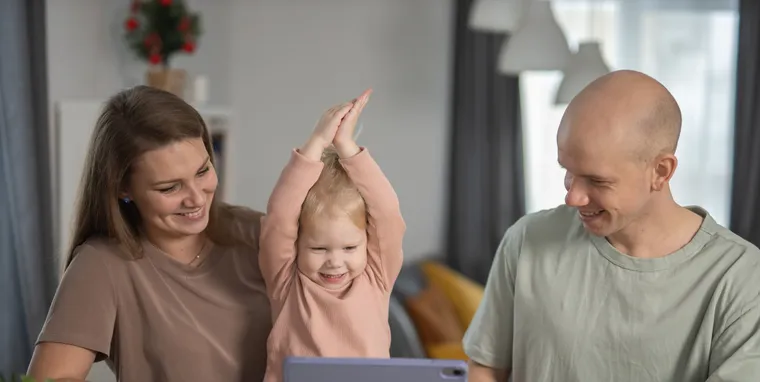
The assessment is done online, so your child takes part from home, wherever you live in Australia.
Tell us about your child, what you have noticed and what the school has said. It takes about three minutes.
Dr Lauren works with a small number of families and has limited availability, so a place cannot be guaranteed, and not every application receives an individual reply.
A device with a camera, a quiet room, and school reports to hand.
Your child works one to one with Dr Lauren on screen.
You learn what is holding reading back and who, if anyone, to see next.
Fees
The fees are published, so you know the cost before you apply. Dr Lauren recommends the level once she understands the concerns.
The assessment
$890
Where reading, spelling or writing is the main concern
$1,290
Where language and literacy both need a detailed look
A Medicare rebate needs a GP referral made before the appointment and covers part of the fee. Private health may apply. Dr Lauren is not NDIS registered: self-managed and plan-managed participants are welcome, NDIA-managed funding cannot be used, and whether a plan can pay depends on the plan. See costs and rebates
Afterwards, if you continue
One hour of service: 45 minutes with Dr Lauren, 15 minutes of preparation and notes
$193

Who Does The Assessment
Dr Lauren Crumlish assesses reading, spelling and the language skills underneath, and works with children with dyslexia. She does every assessment herself. Her doctoral research at The University of Queensland studied which outcomes matter most for children and adolescents with communication difficulties after a brain injury. Dr Lauren works with a small number of families and has limited availability.
Not Ready To Apply?
If you are still working out whether your child’s reading needs a closer look, start with one of these.
What dyslexia looks like before school, in primary school and in high school, and what is not a sign on its own.
Signs of dyslexiaA short set of questions for parents, in Australian school terms. It is a screener, not a diagnosis.
Free dyslexia screenerThe steps from first worry to a formal diagnosis in Australia, and who does each one.
How dyslexia is diagnosedGuides For Parents
Plain guides on what dyslexia looks like in a child’s reading and writing, and how to tell it from other difficulties.
All GuidesDyslexia Or Something Else
A child who skips lines and loses the place is making a different kind of error from a child who...
Dyslexia Or Something Else
Four words that sound alike and mean different things. A side by side table of dyslexia vs dysgraphia, dyscalculia and...
Signs
Dyslexia shows in how a child reads aloud and spells, not in how they see. Typed examples of both, the...
Questions
Yes. Every dyslexia assessment with Dr Lauren Crumlish is done by video, so where you live in Australia makes no difference. She sees and hears your child read aloud, spell and answer questions in real time. A laptop or tablet with a camera, a reliable connection and a room without interruptions is all the setup it needs.
No. Dr Lauren assesses reading, spelling and the language skills underneath, and explains where reading is breaking down and what to do next. A formal diagnosis of dyslexia is usually made by a psychologist, so a family who needs a formal diagnosis will also need a psychologist's assessment, at that provider's fee.
You do not pick one. Tell us what you have noticed when you apply, and Dr Lauren recommends a level once she understands the concerns. As a rule of thumb, $890 (Mid-Length) covers a child whose trouble sits in the written word, and $1,290 (Long) adds a fuller look at talking and listening when those are a worry too.
If your child has started school, no. Assessments with Dr Lauren run from the first year of school to Year 12. A reading difficulty can only be measured once reading has been taught, so for a child not yet at school the useful step is the before-school checklist on this site, not an assessment.
Yes, what Dr Lauren finds is yours to share. What a school does with it is the school's decision: the school and your state's curriculum authority decide what evidence they accept for adjustments, and some require a psychologist's report. Ask the school what it needs before you apply.
Then the assessment has still done its job. It looks at each skill reading depends on, so it can show a difficulty with understanding language, a gap in what has been taught, or a pattern that someone else should look at, such as attention, vision or hearing. Dr Lauren tells you what she found and who to see next.
A Medicare rebate needs a referral from your GP made before the appointment, and it covers part of the fee, not all of it. Private health may apply, depending on your cover. Dr Lauren is not NDIS registered: self-managed and plan-managed participants are welcome, NDIA-managed funding cannot be used, and whether a plan can pay depends on the plan.
No. Dr Lauren assesses school-aged children and teenagers up to 18. An adult who wants an assessment can start with their GP or with the SPELD organisation in their state.














Dyslexia Assessment With Dr Lauren
Dr Lauren works with a small number of families and has limited availability. Our team will review your application. A place cannot be guaranteed, and not every application receives an individual reply.
Apply Now