
Free Screener
Free Dyslexia Screener For Children And Teenagers
The free dyslexia test on this page is a screener for parents: you answer questions about your child’s talking, reading and spelling, and the page shows which signs you see and a sensible next step. It is not a diagnosis, and it never shows you a score or a chance of dyslexia.
- For a parent or carer, answering about one child at a time
- Questions change for before school, primary school and high school
- 11 to 16 questions, with the result on the page; nothing is sent unless you apply

Free dyslexia screener
A screener, not a diagnosis. For a parent or carer to answer about a child or teenager.
How The Screener Works
The screener is a short dyslexia questionnaire you do at home, not a quiz your child sits. You choose the stage your child is at. The questions that follow are written for that stage, in Australian school terms, and each one says why it is asked. Then come a few questions about the background.
- Before school (about 3 to 5): talking and the sounds in words, then memory, words and letters.
- Primary school (Prep or Foundation to Year 6): reading, then spelling, writing and memory.
- High school (Year 7 to Year 12): reading, then tests, notes and study.
- Every family: whether a parent, brother or sister has had lasting difficulty with reading or spelling, and whether hearing and eyesight have been checked.
- A school-aged child: which year they are in, how long reading and spelling have been a worry, whether extra help has been tried, and whether the school or a check such as the Year 1 Phonics Check or NAPLAN has raised a concern.
What A Dyslexia Screener Can And Cannot Tell You
A dyslexia screener can bring together what you have noticed, compare it with the signs that matter at your child’s stage, and suggest whether a closer look is worth arranging. It cannot tell you whether your child has dyslexia. No online dyslexia test can.
What It Can Do
- Show the signs you see often and sometimes, in one list you can take to the teacher.
- Take account of how long the difficulty has lasted and what help has been tried, which is what separates a slow start from a lasting difficulty.
- Point to a next step: keep watching, talk to the teacher, or arrange an assessment.
What It Cannot Do
- Diagnose dyslexia, or rule it out. AUSPELD is clear that the purpose of screening is to find children at risk, not to identify dyslexia.
- See your child read. It is built on your observations, which is useful, but not the same as watching a child work through words.
- Tell dyslexia apart from other things that look like it, such as a language difficulty, attention difficulties or a hearing problem. The signs of dyslexia in children page explains what is and is not a sign on its own.
Long general checklists catch many children who do not have dyslexia, as the Australian Dyslexia Association warns, so the screener asks about a short list of signs and about how long they have lasted.
How The Result Is Worked Out
The result is not a number shown to you and not a likelihood. The screener tallies the signs you see, then looks at how long the difficulty has lasted.
- Each sign you see often counts as one, and each sign you see sometimes counts as a half.
- For a school-aged child, an assessment is a reasonable next step when the count is four or more and reading and spelling have been a worry for six months or more. For a child in Prep, extra help must also have been tried.
- Talk to the teacher first when the count is two or more, or the school has raised a concern, but the other conditions are not met.
- Keep watching, and check again later when fewer signs are seen often.
- Before school, a count of three or more gives early signs worth acting on now, and fewer gives nothing to act on yet. A child who has not been taught to read cannot be assessed for dyslexia itself, so neither result leads to an application. The early signs of dyslexia before school checklist explains each sign.
- A note is added when dyslexia runs in the family, and when hearing and eyesight have not both been checked.
| Result | What it means | Next step |
|---|---|---|
| An assessment is a reasonable next step | Several signs, seen often, lasting six months or more | Read what happens on the day and the fee, then apply if you choose |
| Talk to the teacher first | Some signs, a recent worry, or (in Prep) no extra help yet | Ask what the teacher sees and what help can start; screen again after a term or two |
| Keep watching | Few signs seen often | Keep reading together; screen again if reading falls behind |
| Early signs worth acting on now (before school) | Several early signs, seen often | Tell the educator, check hearing, see a speech pathologist about unclear speech or late language, screen again after the first year of school |
| Nothing to act on yet (before school) | Few early signs | Keep sharing books and rhymes; screen again after a year of reading teaching |
Before you apply, read what happens on the day, how dyslexia is diagnosed in Australia and what the assessment costs.
Next Steps
What Happens After The Screener
The result is yours to use as you see fit. Whatever it says, these are the steps that follow.
-
Talk to the teacher
Whatever the result, the teacher’s view of reading in class and the school’s own checks belong in the picture.
-
Apply, if you choose
If you apply from your screener result, your answers go with your application, so there is nothing to repeat. Our team will review your application. A place cannot be guaranteed, and not every application receives an individual reply.

Who does the assessment
Dr Lauren Crumlish (PhD), Certified Practising Speech Pathologist
Dr Lauren Crumlish assesses reading, spelling and the language skills underneath, online, for school-aged children and teenagers across Australia. She holds a PhD from The University of Queensland and does every assessment herself.
$890 or $1,290, online, with Dr Lauren Crumlish
About Dr Lauren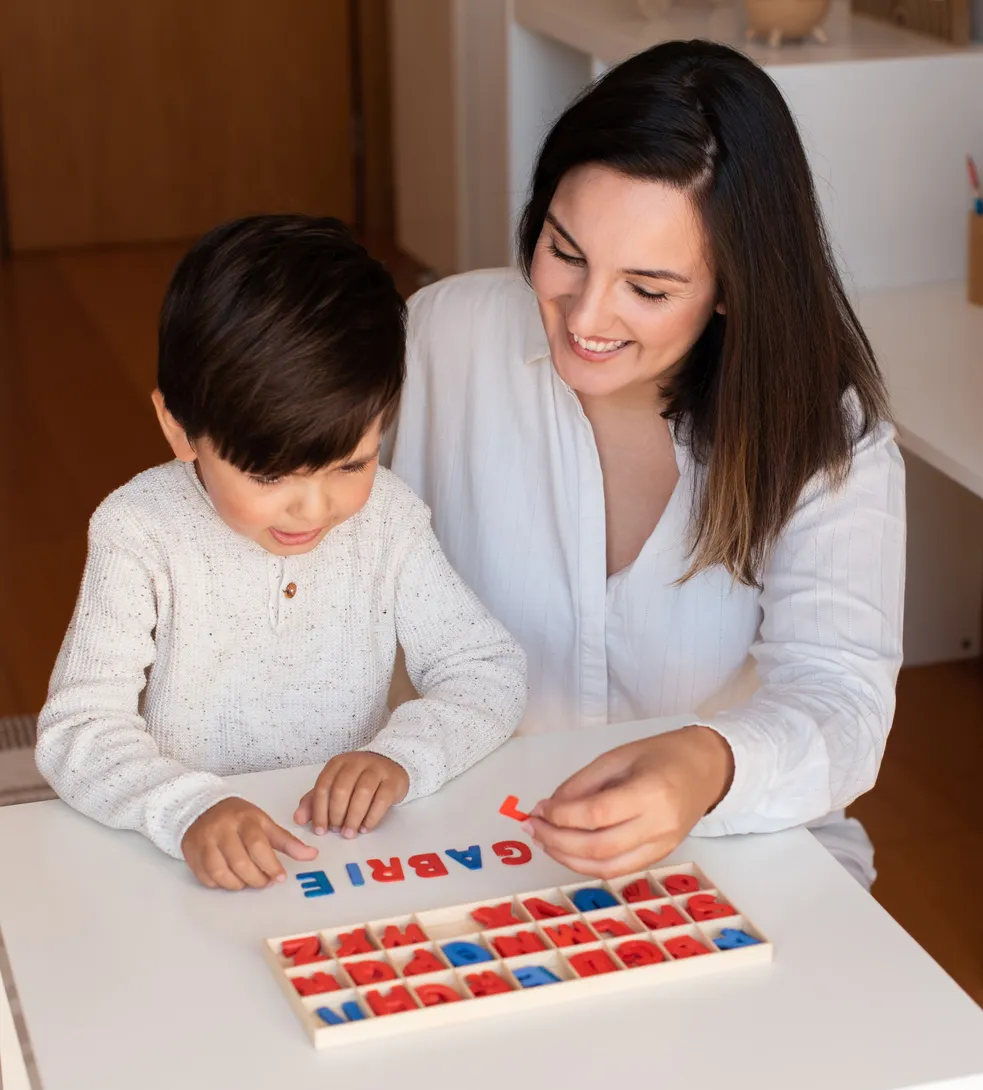
Questions
Questions About The Free Dyslexia Test
Is there a free dyslexia test for kids?
Yes. This free dyslexia test for kids is a screener a parent answers about a child or teenager, with questions for before school, primary school and high school. It shows the result on the page straight away. Most dyslexia quizzes online are written for adults to answer about themselves; a dyslexia quiz for kids works better when a parent answers. A screener is a first look, not a test of your child’s reading and not a diagnosis.
Can an online dyslexia test diagnose dyslexia?
No. An online dyslexia test can only point to signs worth looking at. In Australia a formal diagnosis is usually made by a psychologist, who assesses the child directly and looks at how they have responded to at least six months of targeted teaching.
How accurate is an online dyslexia test?
An online dyslexia test is only as useful as the questions it asks and how honestly it reports. Checklists catch many children who do not have dyslexia, so treat any result as a reason to look closer or to wait, never as an answer. This screener does not show you a score or a percentage for that reason.
Can I use the screener for a child who has not started school?
Yes. Choose before school and the questions turn to talking, rhyme, the sounds in words and learning letter names, which are the early risk signs at that age. The result for a preschooler is about what to watch and who to mention it to, because reading has not been taught yet.
Can my teenager do the dyslexia test?
Yes. Choose high school and the questions change to reading speed, long subject words, tests, notes and study. A parent answers, ideally with the teenager beside them, because a teenager often knows best how long reading takes and what they avoid.
Is there a dyslexia test for adults?
Not on this site. Dr Lauren assesses school-aged children and teenagers up to 18, so an adult who starts the screener is stopped at the first question and nothing is sent. Your GP is a good first step, and AUSPELD lists the SPELD organisation in each state and territory.
What happens to my answers?
Your answers stay on the page while you use the screener. Nothing is sent, stored or shared unless you choose to apply at the end, when your answers go with your application. Answers never go to analytics or into the web address.







Dyslexia Assessment With Dr Lauren
Apply Now
Dr Lauren works with a small number of families and has limited availability. Our team will review your application. A place cannot be guaranteed, and not every application receives an individual reply.
Apply Now- Online, Australia Wide
- Reading, Spelling And Language
- Children And Teenagers Up To 18
- $890 Or $1,290